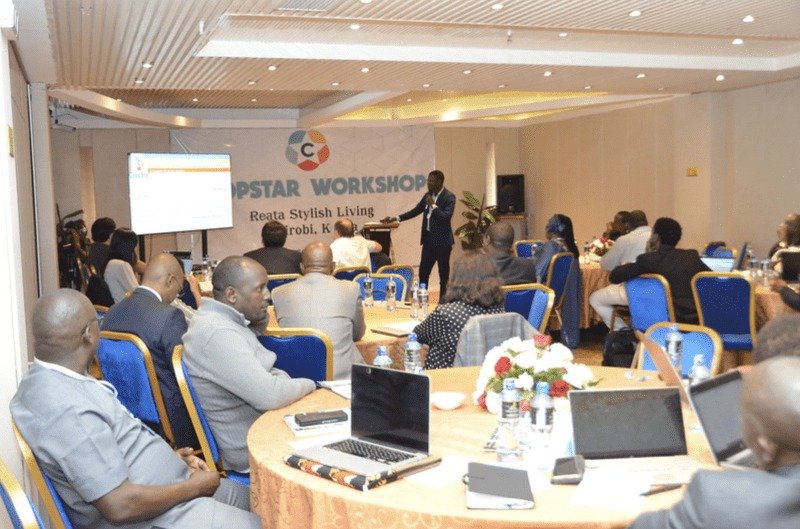
HOSENERGIE recently organized a community workshop focused on one urgent question: why renewable energy must be adopted now—not later. The session brought together youth, women, community leaders, technicians, and local stakeholders to discuss the realities of energy access, climate change, and economic opportunity in today’s Africa.
The workshop was designed to move beyond theory. Participants explored practical reasons, real-life examples, and local solutions that make renewable energy not just an option, but a necessity.
Rising Energy Challenges
Facilitators opened the discussion by examining current energy challenges facing households and small businesses—high fuel costs, unreliable electricity, health risks from smoke, and environmental degradation. Participants shared experiences of power outages, dependence on firewood, and the financial strain caused by fossil fuels.
The message was clear: the current energy model is no longer sustainable—economically, socially, or environmentally.
Renewable Energy as a Practical Solution
The workshop highlighted renewable energy solutions already working in communities, including solar power, clean cookstoves, and biogas systems. These technologies were presented not as future ideas, but as available and proven solutions that reduce costs, improve health, and create jobs.
Participants learned how renewable energy:
-
Lowers household energy expenses over time
-
Reduces indoor air pollution and health risks
-
Provides reliable power where the grid does not reach
-
Protects forests and natural resources
Jobs, Skills, and Local Ownership
A key focus of the workshop was the link between renewable energy and economic empowerment. Discussions emphasized how renewable energy creates opportunities for local technicians, entrepreneurs, cooperatives, and youth-led businesses.
Rather than importing energy solutions, renewable systems allow communities to own, manage, and benefit from their energy infrastructure. This approach keeps money circulating locally and builds long-term resilience.
Climate Action Starts Locally
Participants also explored how adopting renewable energy contributes to climate action. Facilitators explained how everyday energy choices—like switching from firewood to clean cooking or diesel to solar—directly reduce emissions and environmental damage.
The workshop stressed that climate action does not only happen at global conferences. It starts in homes, schools, farms, and small businesses.
A Call to Act Now
The session concluded with a strong call to action: waiting is no longer an option. Renewable energy is already affordable, accessible, and adaptable to local needs. Delaying adoption only increases costs, deepens energy poverty, and worsens environmental harm.
Participants left with a shared understanding that renewable energy is not just about power—it is about health, dignity, jobs, and the future of communities.
Looking Ahead
HOSENERGIE will continue organizing workshops, trainings, and demonstrations to support communities in adopting clean energy solutions. The organization remains committed to ensuring that the transition to renewable energy is inclusive, community-driven, and locally owned.